
Category: nCore HR Software

AI in Recruiting: Opportunities and Risks with “AI-Enhanced” Candidates

Would you trust an algorithm to decide if you are the right person for your dream job?
In recruiting, this is no longer a hypothetical question: artificial intelligence is already rewriting the rules of selection.
Between CVs “enhanced” by AI, video interviews analyzed by software, and new laws on the way, the line between efficiency and risk is becoming increasingly thin.
Candidate Experience: how a modern ATS revolutionizes recruiting and employer branding

Summer Recruiting

Summer. A season of internships, seasonal contracts, and candidates replying to emails from the beach. But also a time rich with valuable insights for Talent Acquisition professionals.
How many candidates job-hunt in August? Which industries are hiring the most? And what does Gen Z think about summer work?
We’ve gathered 5 surprising stats to help you rethink summer recruiting and turn the heat into a strategic edge.
How Maccaferri Revolutionized Talent Acquisition with nCore HR

Standardizing recruitment processes on a global scale is a strategic challenge for multinationals, especially in highly technical sectors like civil and environmental engineering.
Maccaferri, an industrial group with over 140 years of history and a presence in more than 100 countries, embraced this digital transformation by focusing on optimizing Talent Acquisition.
To achieve this, they chose nCore HR, an intelligent and customizable ATS platform, as their partner to innovate the international recruiting process.
A Global Need: Standardizing the Candidate Experience
Between 2021 and 2022, Maccaferri recognized the need to make the candidate experience consistent and of high quality across all global locations.
The system used until then, operating solely in Italy, showed several weaknesses in terms of usability and scalability.
“Operating globally, our goal was to standardize the candidate experience and leverage data to improve organizational efficiency.”
Maccaferri’s international context – with a focus on geotechnical, structural, and environmental engineering solutions – required a platform capable of managing complex processes seamlessly, while remaining adaptable to diverse markets and HR cultures.
Digital Recruiting and Gen Z: How to Attract Young Talent with AI and nCore HR

To attract and retain this new wave of talent, companies must rethink their recruitment strategies from the ground up.
AI and Talent Acquisition: Insights from the International Talent Acquisition Forum 2025

The event focused on a critical topic shaping the future of recruitment: the role of artificial intelligence (AI) in enhancing both efficiency and fairness in hiring processes.
A Setting That Blends Tradition and Innovation
The choice of venue—a place where tradition meets innovation—reflected the forum’s central message: recruitment must evolve, but the human element must remain at the core. The forum’s goal was to explore how AI can be used to reduce bias and create a fairer, more inclusive hiring process—ultimately building a stronger future for the industry.
Real-World Case Studies on AI in Recruitment
Several companies shared their direct experiences with adopting AI in recruitment, offering valuable insights:
1. Blind Resumes and Internal Mobility
One organization implemented an AI-powered ATS to automate candidate screening and re-engage previously rejected candidates.
- Highlights: Use of blind resumes to promote diversity, and integration with HR systems to support internal mobility.
- Challenges: Difficult to scale in regions with low hiring volumes, where manual sourcing is still essential.
2. Automatic Interview Notes
Another company, early in its AI adoption journey, implemented a tool that automatically takes notes during interviews, analyzing language and gender dynamics.
- Highlights: Reduction of bias in interview evaluations.
- Challenges: Need for deeper integration with existing HR systems.


3. Productivity Tool Integration
A different organization extended AI use through a digital assistant that records meetings and manages interviews.
- Highlights: Process standardization and reduced bias.
- Challenges: Requires careful governance to ensure data privacy and compliance.
4. Invisible AI Sourcing
Another case involved AI-powered sourcing tools that identify suitable public profiles online based on job descriptions.
- Highlights: Boosted recruiter efficiency, particularly in hard-to-fill roles such as those in manufacturing.
Opportunities and Challenges: The Future of AI in HR
A key theme throughout the forum was the need for integration. Many companies expressed concerns over fragmented HR tech stacks—with separate tools for ATS, chatbots, scheduling, and more—resulting in disjointed experiences and increased complexity. The ideal vision is a fully integrated, secure, and seamless system that doesn’t require heavy customization.
Data privacy and GDPR compliance also took center stage. The use of AI, particularly in interview recordings, requires candidates’ explicit consent. If some candidates opt out of AI-based assessments, it could unintentionally create inequality by excluding their data from the same analysis used for others.
Anticipating Talent Needs with Career Cushioning: The Winning Data-Driven HR Strategy

This term refers to the proactive behavior of professionals who, while still employed, begin exploring alternative job opportunities to create a “safety cushion” for their career.
While some may view this trend as a sign of disengagement or reduced commitment, it is, in fact, a strategic response to an unpredictable labor market—where flexibility is a key asset. For companies, this trend offers a valuable opportunity to listen more closely to employee needs and respond with targeted action.
From Threat to Strategic Lever: A Data-Driven Approach to Career Cushioning
Rather than seeing Career Cushioning as a threat, HR departments can embrace it as an early indicator of employee ambitions, needs, and potential dissatisfaction. With advanced tools like People Analytics and HR Intelligence, organizations can turn employee data and behavior into actionable insights and informed decisions.
One of the most effective ways to prevent talent attrition is by understanding how employee skills and aspirations are evolving. Skill mapping platforms make it possible to analyze both current and potential competencies, revealing gaps between employees’ roles and their personal career goals.
For example, if a software developer begins expressing interest in artificial intelligence, the company can offer tailored training opportunities before that employee seeks growth elsewhere.
Predictive technologies also enable HR teams to cross-analyze various data points—such as participation in surveys, internal communications, and engagement levels on digital platforms—to detect early signs of reduced motivation or commitment. This isn’t about “monitoring” employees, but rather about gaining a deeper understanding of their goals and needs to intervene proactively.
Practical insight: A noticeable drop in activity on collaboration tools or low response rates to employee engagement surveys may signal an intention to make a career change.
With integrated dashboards and predictive analytics models, organizations can identify the factors that most influence employee satisfaction and engagement. Issues like lack of feedback, stagnating roles, or perceived unfairness often lie at the root of Career Cushioning behavior.
Only 12% of HR Departments Use AI: A Missed Opportunity?

While 34% of marketing departments regularly use generative AI, only 12% of HR teams have integrated this technology into their operations. Even more striking, only one in three HR leaders is actively exploring potential use cases for generative AI. This suggests that HR may be missing a crucial opportunity to boost productivity and drive innovation.
Why Is HR Lagging Behind in AI Adoption?
The limited adoption of AI in HR is a concerning signal—especially since HR should be at the forefront of leading organizational change. Recent data shows that 76% of HR professionals believe their company risks falling behind if it doesn’t adopt AI within the next 12–18 months.
What Is Social Recruiting and How to Use It for Active Candidate Sourcing
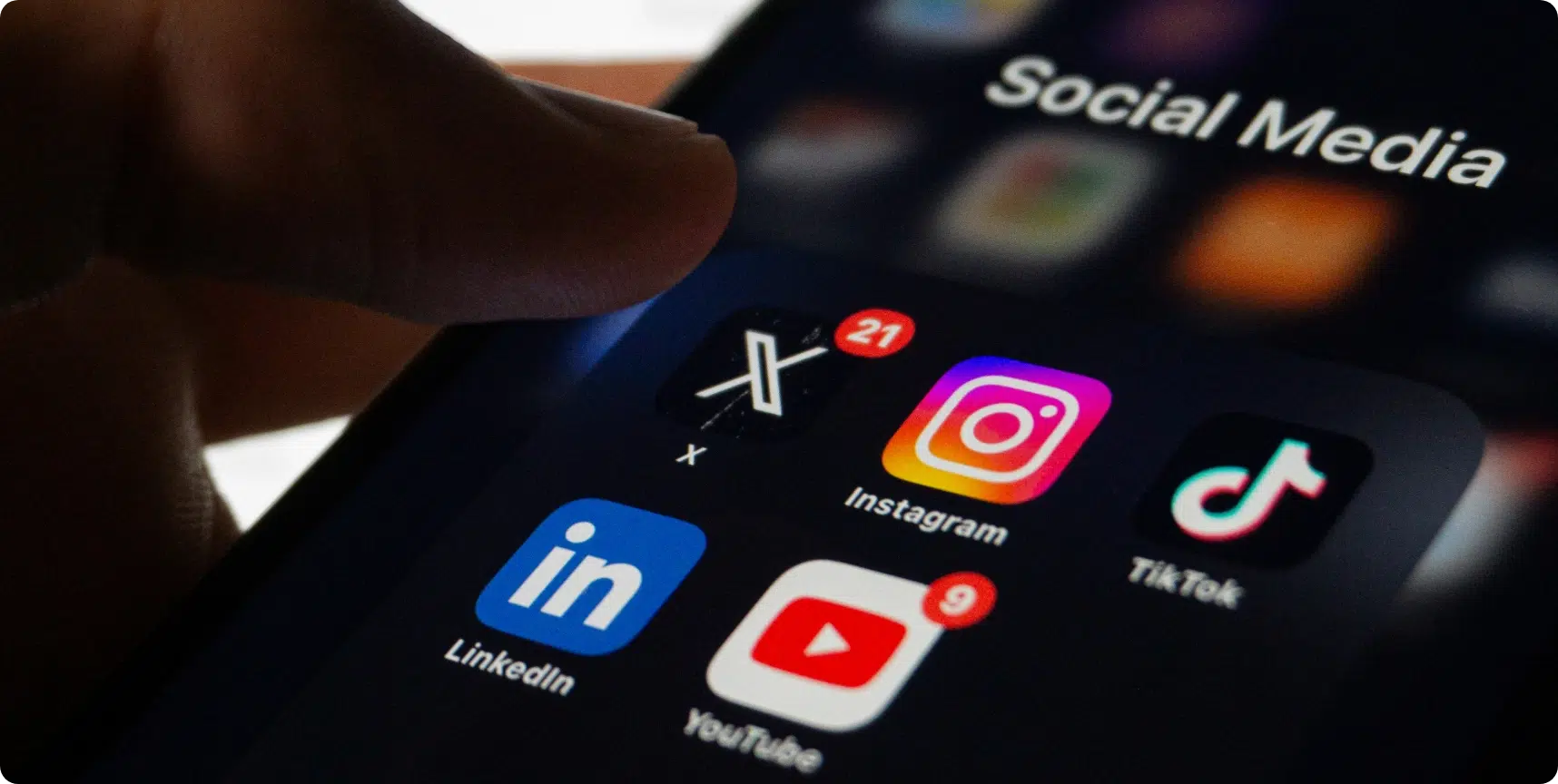
Social recruiting offers a powerful answer—leveraging social media not just to identify and attract candidates, but to build genuine, long-term connections with them.
Platforms like LinkedIn allow companies to expand their reach, connect with qualified professionals, and strengthen their employer brand.
According to a recent Wall Street Journal article, in 2024 the number of applicants per job posting on LinkedIn rose to 2.5, up from 1.5 in 2022—a clear sign of growing competition in online talent acquisition.
This trend makes one thing clear: integrating social media into your recruiting strategy is no longer optional—it’s essential.