

Recruiting Becomes Agentic: What Really Changes
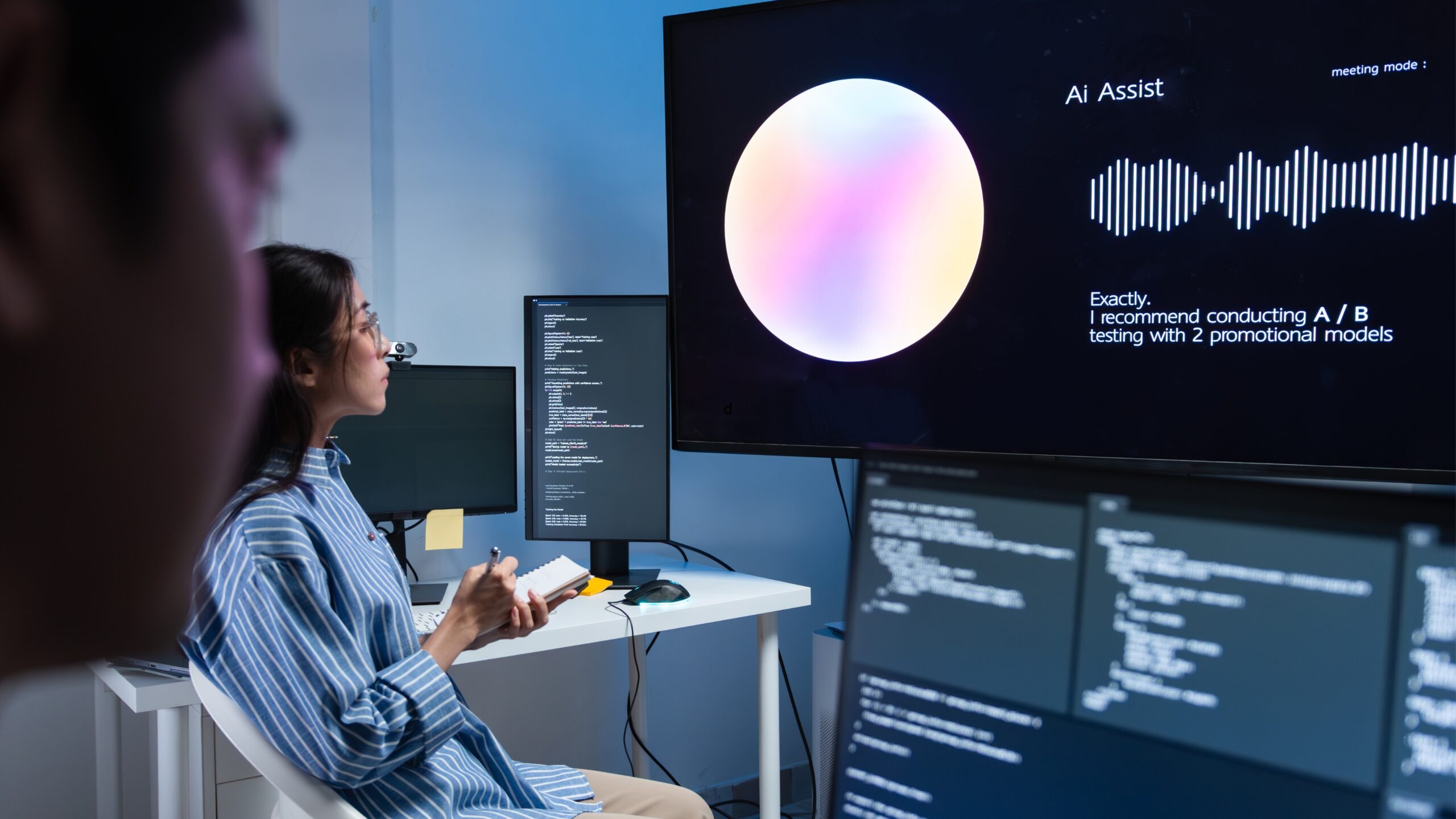



From Conversational Support to Workflow Management
Generative AI represented the first phase of technological integration in recruiting. It increased efficiency and speed in content production, but it did not change the structure of the process. Overall control of activities remained entirely human.
With the evolution toward Multi‑Agent Systems, the level of intervention changes. According to Gartner’s Top Strategic Technology Trends for 2026 report, agentic AI is among the key strategic trends for 2026 because it enables machines to move from language understanding to the autonomous execution of business objectives. In recruiting, this means that technology can coordinate activities, plan steps, and maintain consistency throughout the funnel.
The distinction is not theoretical: generative AI produces content; agentic AI manages processes. In a context where workflows are becoming increasingly complex, the ability to govern the flow is what determines stability and quality.
Operational Complexity and Decision Quality
Talent Acquisition processes have become increasingly complex: high volumes of applications, more stakeholders involved, compressed timelines. In this scenario, a significant portion of HR teams’ time is still absorbed by administrative and repetitive tasks.
Automating these components does not mean replacing the recruiter, but making the system more sustainable. Harvard Business Review defines the part of the process where human intervention creates real value as Strategic Human Connection: cultural assessment, negotiation, contextual interpretation.
Agentic AI acts precisely here, removing operational complexity and increasing process stability. The benefit is not only efficiency, but also decision quality. When the workflow is coherent and readable, the final choice becomes more solid.
Claire: the Vertical Agent for Recruiting
We’ve already introduced Claire, designed as a vertical AI agent dedicated to recruiting. It wasn’t built as a chatbot repurposed for HR, but as a system engineered to operate across the entire selection process.
Claire steps in immediately during the intake meeting: it conducts a structured conversation with the hiring manager, gathers the key information about the role, and proposes an optimized job description. Once approved, it posts the position on major platforms and initiates a proactive search by analyzing millions of data points on potential candidates.
Its role doesn’t stop at sourcing. Claire:
- directly contacts the most aligned profiles
- provides continuous updates on the status of the search
- administers assessments to evaluate soft skills and motivations
- monitors the process autonomously for about two weeks
- compiles a qualified long list and schedules video interviews
The benefit is concrete. By automating up to 60% of non‑core activities, Claire frees operational time for recruiters, who can focus on strategic evaluation and candidate relationships.
The result is not a “more automatic” process, but a more structured, continuous, and coherent one. AI does not make the final decision; it builds a more orderly path that makes that decision more solid.
Want to know more about Claire?
Click here and read the full article!
Frequently Asked Questions
- What is agentic recruiting?
It’s the integration of AI systems capable of managing operational parts of the recruiting process, not just generating content.
- What’s the difference between generative AI and agentic AI?
The first generates text and suggestions; the second operates within the workflow, coordinating activities and steps in the process
- Does an AI agent replace the recruiter?
No. It automates non‑core activities and manages the flow, leaving the final decision to people
Conclusion
Agentic recruiting is not a technological trend, but an organizational response to a more complex context, one that is far less tolerant of improvisation. Artificial intelligence stops being a conversational assistant and becomes an infrastructure capable of governing the workflow.
As Enrico Ariotti, CEO & Co‑Founder of nCore HR, emphasized:
“Artificial intelligence should not replace the recruiter, but take charge of operational complexity, allowing people to focus on the decisions that truly matter.”
In a market where time is limited and talent is increasingly competitive, the real advantage will not come from the level of automation, but from the ability to design coherent processes in which technology and human responsibility operate in an integrated way.
Discover how to improve your recruiting process
Request a free demo!


Other Articles